
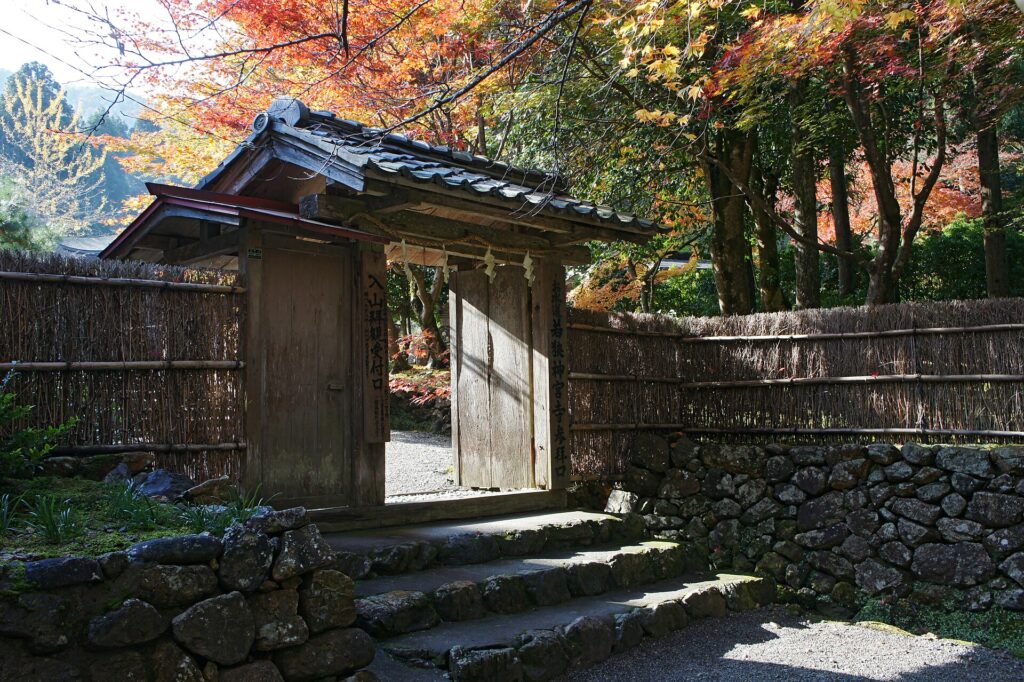
Water poured into a river pool in Fukui is believed to travel underground to a well in Nara, arriving in time for one of the oldest rites in Japan.
Overview
Omizu-okuri, the sending of the water, is the other half of a ceremony most visitors only know from the Nara end. At Todaiji in Nara, the Shuni-e rites include drawing water from a well called the Wakasa-i, named after this province. The legend explains why: a local deity arrived late to a gathering of gods at Todaiji and, in apology, promised to supply the water offered to its Kannon image.
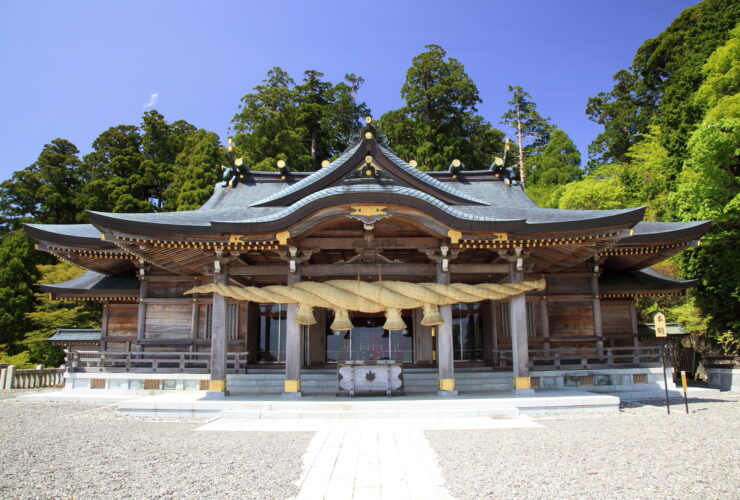
So every year at Jinguji temple in Obama, water drawn from the temple well is carried upriver and poured into a pool called Unose, where it is said to take ten days to reach Nara. The rite has been performed for more than 1,200 years. Jinguji itself was founded in 714 and is one of the rare temples where Shinto and Buddhist deities are still enshrined together in the same hall, with a sacred rope hung across the front like a shrine.
When and where
The date is fixed: 2 March, which in 2026 was a Monday. The daytime rites take place at Jinguji, and the torch procession moves in the evening, with roads between the Jinguji junction and Unose bridge closed to traffic from about 19:00 to 21:30. Nara draws its water ten days later, on 12 March.
Getting there
Obama is on the JR Obama line, about 40 minutes from Tsuruga and roughly two hours from Kyoto via Omi-Imazu or Tsuruga. From Obama station the temple is a short taxi or bus ride inland. Because the road to Unose closes for the procession, arriving well before dark and walking is easiest.
What to expect
The afternoon at Jinguji is quiet ritual: sutras, and the drawing of the water. What people come for is what follows. A procession of torches, some carried by visitors, moves about two kilometres along the Onyu river to Unose in the dark, and the water is poured into the pool by torchlight. Visitors can buy a torch and walk with it, which is unusual for a rite of this age and worth doing. Unose is also on the national list of a hundred fine waters, and the pool is a pleasant spot in daylight.
Admission and practicalities
Watching is free; taking part in the torch procession requires buying a torch on the day. Early March in Wakasa is cold and often wet, and the riverside path is unlit apart from the torches, so proper footwear matters. A limited commemorative shrine stamp is sold at the temple on 2 March only.
Tips for visitors
Pair this with the Nara side if your trip allows it – seeing the water sent on the 2nd and drawn on the 12th is a rare thing to be able to do. Obama is a seafood town, and its mackerel dishes are the local speciality. Dress for standing outdoors in the cold for two hours, including gloves you can hold a torch with.
Access and map
| Date | 2 March 2026, procession from about 19:00 |
|---|---|
| Venue | Jinguji temple and Unose, Obama, Fukui |
| Access | JR Obama station, then a short taxi ride |
| Admission | Free; torches sold separately |
| Note | Held on 2 March every year; road closures apply in the evening |
Source: Fukui Prefecture official travel site, Fukui Dot Com
Image: Photo: 663highland / Wikimedia Commons, CC BY 2.5

.png)