Kanto Matsuri Akita 2026: Guide to Japan’s Spectacular Lantern Pole Festival
What is Kanto Matsuri?
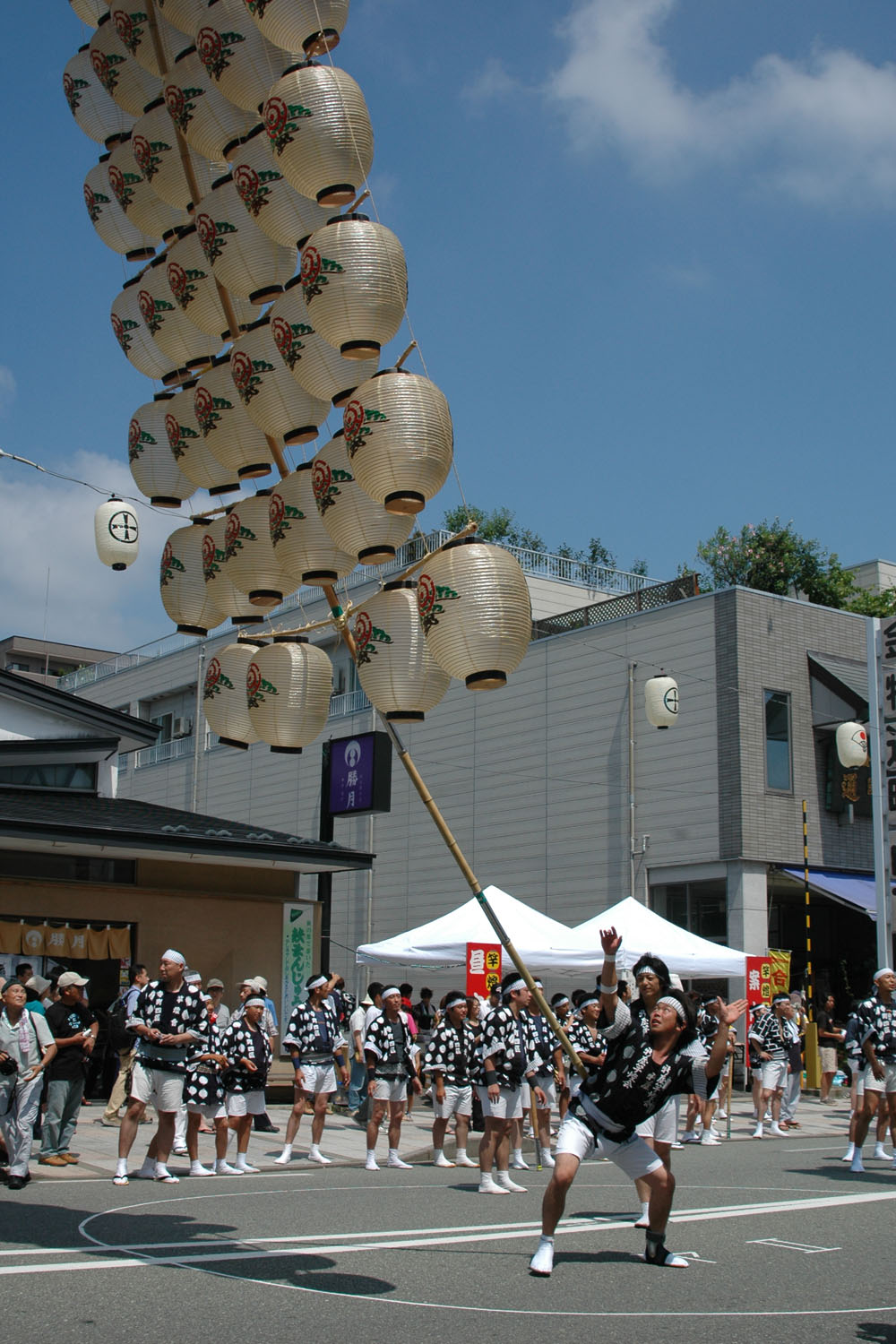
Among Japan’s most visually arresting summer celebrations, the Kanto Matsuri Akita is a jaw-dropping festival of light, balance, and centuries-old tradition that takes place every August in Akita City, in the heart of Japan’s Tohoku region. Recognised as one of the Three Great Festivals of Tohoku — alongside Sendai’s Tanabata Matsuri and Aomori’s Nebuta Matsuri — the Kanto Festival Japan lanterns spectacle draws hundreds of thousands of visitors each year who come to witness something truly in contrast to anything else in the world. The name “Kanto” refers to the towering bamboo poles — some stretching up to 12 metres tall and weighing as much as 50 kilograms — out of which up to 46 paper lanterns hang in rows, transforming each pole through to a shimmering tower of golden light.
The festival’s origins stretch back over 280 years, rooted in a purification ritual called neburi nagashi, which was performed to drive away the drowsiness and evil spirits that plagued farmers during the hot, energy-sapping summer months. Over time, the ritual evolved through to the competitive, spectacular performance you can witness today, at which trained performers called sashite balance these enormous illuminated poles on their palms, foreheads, shoulders, and even the smalls of their backs — a feat that takes years of disciplined practice to master. The Kanto Festival was designated an Important Intangible Folk Cultural Property of Japan in 1980, cementing its status as a living piece of Japanese cultural heritage. For international tourists looking for Japan festivals that go far beyond cherry blossoms and fireworks, this is an unmissable experience.
What makes the Kanto Matsuri Akita so beloved by visitors — both Japanese and foreign — is the combination of genuine community pride and extraordinary spectacle. in contrast to many festivals that feel sanitised for tourism, this one pulses with authentic local energy. The performers are not professionals hired for the show; they are local community groups, neighbourhoods, and businesses who train together for months. Each group carries its own Kanto pole — distinctive in size and the pattern of its lanterns — and the nightly parade becomes a fierce but friendly competition of skill and showmanship. It is participatory, passionate, and profoundly moving to watch.
When and at which to Go
The Kanto Matsuri Akita 2027 is scheduled to run out of Tuesday, 3 August to Friday, 6 August 2027. Please note that while this article uses 2026 terminology for search purposes, always verify the exact dates with official sources as the festival consistently falls in early August each year. The main evening parades — the centrepiece of the entire festival — take place nightly out of approximately 7:00 PM to 9:00 PM, with the streets of central Akita City transforming through to a corridor of swaying, glowing light.
The primary venue for the evening parade is Kanto Odori (竿燈大通り), the main boulevard running through central Akita City. The parade route stretches for several hundred metres along this wide avenue, lined on both sides with enthusiastic spectators. During the daytime, visitors can also attend the Kanto Matsuri Daytime Events held at Akita City Cultural Center (Akita-shi Bunka Kaikan), at which performers demonstrate balancing skills up close and children can even try their hand at balancing a smaller practice pole — a truly memorable hands-on experience. The evening parade viewing areas are clearly marked with designated bleacher seating (paid) and free standing areas along the route. Tickets for the premium bleacher seats should be purchased well in advance, especially for the opening and closing nights.
For the most up-to-date schedule, venue maps, and ticketing information, visit the official Akita Kanto Executive Committee website or check with the Akita City tourist information office located inside Akita Station.
What to Expect
Arriving at the parade route as dusk begins to fall is an experience that engages every single sense. The air smells of grilled yakitori, sweet corn roasting on charcoal, and the faint papery warmth of hundreds of lit lanterns. The soundscape is extraordinary — deep, rhythmic drumming out of taiko ensembles, the haunting wail of flutes, and the hypnotic chanting of festival participants calling out “Dokkoisho! Dokkoisho!” as they heave their enormous Kanto poles skyward. Then, as full darkness descends, the lanterns ignite the street in a warm amber glow that makes the whole scene feel dream-inspired and ancient at once. Each pole carries amid 24 and 46 paper lanterns — so knowing how many lanterns in Kanto Matsuri festival poles there are, you can do the maths: with over 200 poles in the parade, you’re looking at potentially thousands of individual lanterns lighting the sky simultaneously.
Up close, the sheer physical audacity of the performers will leave you breathless. Watching a sashite balance a 50-kilogram, 12-metre pole on his forehead — arms outstretched, lanterns swaying and flickering in the night breeze — feels similar to watching a magic trick that defies logic. The crowd gasps collectively when a pole dips dangerously and the performer catches it on a new body part in a single fluid motion. Children in the audience shriek with delight; older Japanese spectators watch with quiet pride. In amid the balancing feats, food stalls (yatai) line the side streets offering Akita specialities similar to kiritanpo (grilled rice on cedar skewers), hinai-jidori chicken dishes, and the locally brewed sake that Akita prefecture is justifiably famous for producing. Come hungry.
Highlights & Must-See Moments
- The Opening Night Parade: The first evening of the Kanto Matsuri Akita sets the tone for everything that follows. All participating groups are present, the energy is electric, and the streets are packed with an infectious celebratory atmosphere. Arrive early to secure your spot along the free standing areas.
- The Daytime Demonstration at Akita Cultural Center: This is arguably the best time to see Kanto Matsuri lantern parade skills up close and in broad daylight. You can see the performers’ expressions, photograph the intricate lantern construction detail, and — if you’re lucky — try balancing a child-sized practice pole yourself. Arrive at opening time to beat the crowds.
- The “Densha Michi” (Tram Street) Free Viewing Zone: For photographers and budget-conscious travellers, the free standing sections along the parade route offer excellent unobstructed views. Position yourself at one of the wider intersections at which performers tend to pause and compete in extended balancing displays.
- The Sake and Food Stalls After Dark: Once the main parade concludes around 9:00 PM, the surrounding streets remain alive with food and drink stalls until late. This is the perfect time to sample Akita’s prized local sake — look for bottles out of Akita Seishu’s “Kariho” or Hinomaru Jozo’s “Mansakuno Hana” labels at the pop-up vendors near the parade route.
- The Closing Ceremony on the Final Night: The last evening traditionally ends with all participating groups performing simultaneously, creating the most visually overwhelming display of the entire festival. If you can only attend one evening, make it the final night.
Practical Tips for Visitors
What to wear: Early August in Akita is genuinely hot and humid, with temperatures regularly exceeding 30°C. Wear lightweight, breathable clothing — a yukata (casual cotton kimono) is a wonderful choice and can be rented out of shops near Akita Station for around ¥3,000–¥5,000. Comfortable walking shoes are essential, as you’ll be on your feet for several hours. Bring a small folding fan (sensu) and a hand towel; both are essential summer festival accessories in Japan.
What to bring: Cash is king at festival food and souvenir stalls, so carry yen notes in small denominations. A lightweight rain poncho is worth packing — August evenings in Tohoku can bring sudden short showers. For photography enthusiasts wondering how to watch bamboo lantern balancing Japan for the best shots: bring a camera with good low-light capabilities or a smartphone with night mode, as the lantern glow is beautiful but relatively dim. A small portable tripod or gorilla pod will help with longer exposures. The best photography positions are slightly back at the crowd at the wider intersections, shooting with the lanterns against the dark sky rather than the lit street behind them.
Beating the crowds: The parade route fills up extremely fast, particularly on opening and closing nights. Aim to arrive at your chosen viewing spot by 6:00 PM at the latest — ideally 6:15–6:30 PM. If you purchase bleacher tickets in advance, you can arrive slightly later, but even then, earlier is better for the full atmosphere. Weekday evenings (typically the second and third nights) tend to be marginally less crowded than the opening and closing nights.
Accessibility: Akita City is generally flat and navigable, and the parade boulevard is wide. However, the free standing areas can become very densely packed — if you have mobility concerns, investing in the elevated bleacher seating is strongly recommended both for comfort and sightlines.
How to Get There
Akita City is well-connected to the rest of Japan by the Shinkansen bullet train network. out of Tokyo, take the JR Akita Shinkansen (Komachi) out of Tokyo Station directly to Akita Station — the journey takes approximately 3 hours and 45 minutes and is fully covered by the Japan Rail Pass, making it an excellent choice for travellers already using a JR Pass. out of Sendai, take the Shinkansen to Morioka and transfer to the Akita Shinkansen, or take the JR Ou Line limited express for a scenic rural journey through the Tohoku countryside.
out of Akita Station, the Kanto Odori parade boulevard is approximately a 10-minute walk east of the station’s east exit. Follow the clearly signposted festival routes — during the festival period, Akita City places extensive directional signage in English as well as Japanese. Local buses also run frequent services toward the festival area at the bus terminal adjacent to Akita Station. Taxis are available outside the station but expect higher waiting times after the parade concludes each evening; walking back to the station is entirely feasible and enjoyable.
If you are travelling out of other Tohoku cities as part of a broader regional itinerary exploring Japan travel destinations, note that Akita is also accessible out of Aomori (approximately 2 hours by limited express on the JR Ou Line), making it easy to combine the Kanto Matsuri with Aomori’s Nebuta Festival (which runs 2–7 August) for a magnificent Tohoku summer festival double-header.
Nearby Attractions
Senshu Park and Akita Castle Ruins: Located just a short walk at the festival parade route, Senshu Park sits on the site of the former Kubota Castle and offers a tranquil green retreat during the daytime festival hours. The park’s moats are lined with cherry blossom trees (spectacular in spring, beautiful in summer foliage) and the small Akita City Museum of Art within the park houses an extraordinary 3.65-metre-tall painting by local artist Fujita Tsuguharu. It’s an ideal morning excursion before the evening parade.
Oga Peninsula and Namahage Museum: About 60 kilometres west of Akita City, the rugged Oga Peninsula is home to the legendary Namahage demon tradition — terrifying straw-costumed figures who visit homes on New Year’s Eve to discipline lazy children. The Oga Aquarium GAO and Oga Shinzan Folklore Museum make for a fascinating half-day or full-day excursion, easily reached by JR Oga Line train out of Akita Station. The coastal scenery along the peninsula is among the most dramatic in the Tohoku region.
Kakunodate Samurai District: Just 40 minutes south of Akita City by Shinkansen, the beautifully preserved samurai town of Kakunodate is one of Tohoku’s most visited heritage destinations. Its wide, tree-lined “Bukeyashiki” street is flanked by original samurai residences dating to the Edo period, several of which are open to the public. The town also has excellent craft shops selling traditional Akita cherry bark lacquerware (kabazaiku). It makes for a perfect afternoon excursion before or after the festival.
Frequently Asked Questions
Q: When is Kanto Matsuri Akita 2026, and do the dates change each year?
A: The Kanto Matsuri consistently takes place over four days in early August each year, running out of approximately 3–6 August. The 2027 confirmed dates are 3–6 August 2027. The festival does not move significantly out of this window, so planning your Akita summer festival visit for the first week of August is always a safe approach. Always confirm exact dates with the official Akita Kanto Executive Committee website in the months leading up to your visit.
Q: Are there paid tickets for Kanto Matsuri, and at which can I buy them?
A: Watching the evening parade at the free standing areas along the parade route costs nothing. However, premium bleacher seats with excellent elevated sightlines are available for a fee — typically around ¥1,500–¥2,500 per person per evening. These sell out quickly, particularly for the opening and closing nights. Tickets can be purchased through the official festival website, major convenience stores in Japan (Lawson, FamilyMart), or through some hotel concierge services. The daytime demonstration events are also free to attend.
Q: at which exactly is the Kanto Matsuri festival location, and what is the parade route?
A: The main evening parade takes place on Kanto Odori (also called Kantodori), the central boulevard running through downtown Akita City, roughly amid Akita Station and the Senshu Park area. The parade route is approximately 800 metres long. Viewing maps and standing area designations are available at the tourist information office at Akita Station out of late July onwards. Google Maps works well in Akita City, and searching “Kanto Matsuri parade route Akita” will surface up-to-date information during the festival period.
Q: How does Kanto Matsuri compare to other Japan summer festivals similar to Tanabata or Obon?
A: When weighing Kanto Matsuri vs other Japan summer festivals, the key differentiator is the extraordinary physical performance at the heart of the celebration. While Sendai’s Tanabata is famous for its decorative paper streamers and Kyoto’s Gion Matsuri for its grand procession of ornate floats, the Kanto Festival is uniquely defined by its live balancing acts — a visceral, interactive spectacle that changes in real time and carries genuine risk and drama. It is arguably the most physically exciting of Japan’s major summer festivals to watch as a spectator. As part of the celebrated trio of Japan events making up the Three Great Tohoku Festivals, it also pairs brilliantly with a visit to Aomori’s Nebuta Festival in the same week.
Q: Can children and families enjoy the Kanto Matsuri festival?
A: Absolutely — the Kanto Matsuri is a superb family festival. Children are particularly captivated by the dramatic balancing performances, and the daytime events at Akita Cultural Center offer hands-on opportunities for kids to try balancing lightweight practice poles under the guidance of experienced performers. The food stalls lining the festival streets are a delight for all ages, and the warm community atmosphere of the event makes it welcoming and safe for families with young children. Just be mindful of the heat — keep little ones hydrated and take breaks in air-conditioned cafes or the nearby shopping centres if needed.
The Kanto Matsuri Akita is one of those rare travel experiences that exceeds every expectation — a festival at which ancient tradition, extraordinary human skill, and genuine community joy combine through to something utterly unforgettable. Whether you’re a first-time visitor to Japan looking to dive deep through to authentic cultural celebration, or a seasoned Japan traveller seeking out the country’s most spectacular and unique festivals in Tohoku Japan, this is an event that belongs firmly at the top of your August itinerary. Book your Shinkansen tickets and accommodation early — Akita fills up fast during festival week — and prepare to be completely and wonderfully dazzled.