
Akuishima Boze Festival 2026: Guide to Japan's Obon Dance
Kyushu-Okinawa · KagoshimaCultural
Masked deities wrapped in palm leaves burst out at the close of Obon on a tiny Tokara island reachable only by overnight ferry.
Overview
The Boze of Akusekijima (悪石島のボゼ) are raiho-shin — visiting deities who arrive from outside the community to strip away impurity. They appear on the final day of Obon on Akusekijima, one of the Tokara Islands in Toshima Village, Kagoshima.
The rite was designated a National Important Intangible Folk Cultural Property in 2015 and inscribed by UNESCO in 2018 as part of “Raiho-shin: ritual visits of deities in masks and costumes”. It is one of the harder festivals in Japan to actually reach, which is part of why it has survived so intact.
When and Where
Date: 28 August 2026. The date follows the lunar calendar — the 16th day of the seventh lunar month, the last day of Obon — so it moves every year. The night before, men dance from house to house.
Times: not published. The Boze appear after the community-hall dancing concludes, drawn out by drumming, rather than at a fixed clock time.
Venue: the community centre and village grounds, Akusekijima, Toshima Village, Kagoshima.
Getting There
There is no airport. Access is by ferry only. The Ferry Toshima 2 sails from Kagoshima Port South Pier, departing at 23:00 and calling at Akusekijima’s Yasurahama Port the following day, roughly twice a week on the route between Kagoshima, the seven Tokara islands and Naze on Amami Oshima.
To reach the pier, take the tram from Kagoshima-Chuo Station to Izuro-dori and walk about ten minutes; from Kagoshima Airport, take the airport bus to Kinseicho or Tenmonkan and walk about fifteen minutes. Ticketing is handled by Nakagawa Unyu (099-219-1191).
In practice, most visitors come on Toshima Village’s organised viewing tour. The 2026 three-island tour was capped at 50 people with applications open 17–27 July and a lottery if oversubscribed.
What to Expect
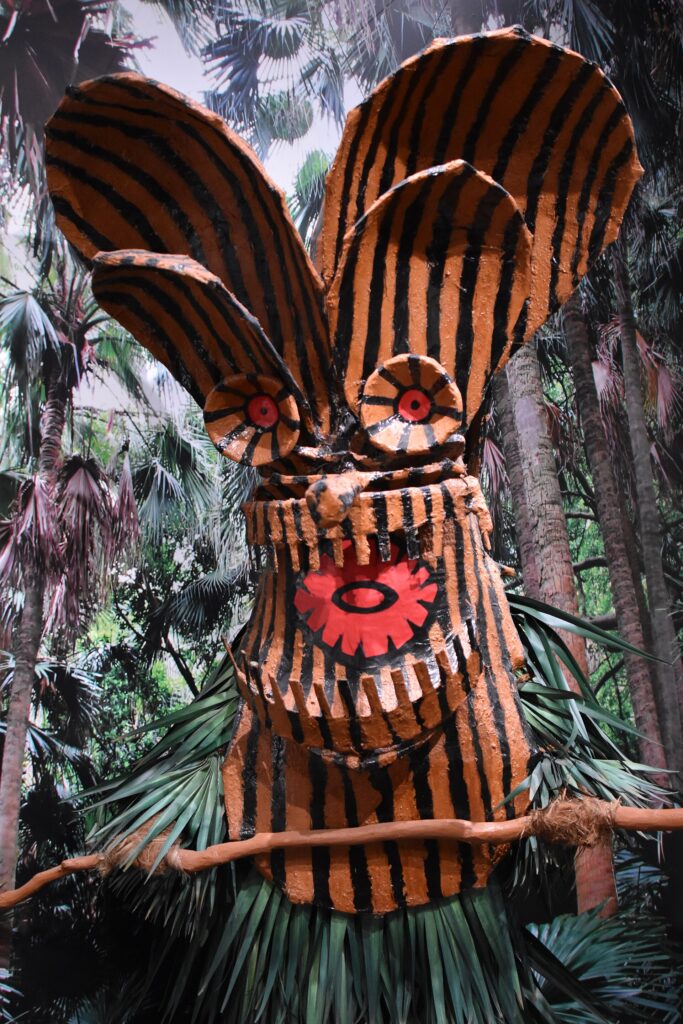
The masks have huge ears and mouths and long noses; the bodies are wrapped in biro fan-palm leaves. The Boze chase villagers carrying a mara-bo staff smeared with aka-shui, a red clay, and mark whoever they catch. The marking is understood to drive off evil spirits and bring strength and luck — being chased is the point, not a hazard.
Beyond the rite, the island itself is spare: Yudomari Onsen (¥300, 16:00–21:00) and a geothermal sand bath are the main other draws while you wait for the return sailing.
Tickets and Admission
Free to watch — there is no ticket for the rite itself. The practical constraint is transport and accommodation, not admission. The village tour is booked through Nihon Dantai Ryoko (099-203-0093).
Tips for Visitors
Book a minshuku well ahead. There are no restaurants on Akusekijima. The island’s guesthouses — Nishi-so, Nankai-so, Nihonmatsu, Aoba — normally charge per night including three meals.
Build slack days into the itinerary. Ferry service is weather-dependent and sailings can be cancelled or skip ports; check the village’s sailing-status page before travelling.
Confirm the date each year. Because it tracks the lunar calendar, the Gregorian date shifts annually — do not assume late August.
Access and Map
| Date | 28 August 2026 (16th day of the 7th lunar month — shifts each year) |
|---|---|
| Times | Not published; the Boze appear after the community-hall dancing ends |
| Venue | Akusekijima, Toshima Village, Kagoshima (Tokara Islands) |
| Access | Ferry Toshima 2 from Kagoshima Port South Pier, departing 23:00, approx. 2 sailings per week. No airport. |
| Admission | Free to watch; village viewing tour booked separately |
| Official site | Toshima Village official site |
Source: Toshima Village official site
Image: Photo: Fred Cherrygarden / Wikimedia Commons, CC BY 4.0 — a Boze figure on museum display; no free-licensed photograph of the live rite exists

.png)