
What is Nohejisogon Matsuri?
The Nohejisogon Matsuri 2026 is one of Aomori Prefecture’s most culturally layered summer festivals, tracing its roots to the grand Gion tradition that originated in Osaka and travelled northward along historic trade and maritime routes to take hold in the Nohejisogon region. This remarkable journey — spanning the length of Honshu — gave the festival a character all its own, blending the formal ceremonial grandeur of the Osaka Gion tradition with the rugged, communal spirit of Japan’s far north. Understanding the Nohejisogon Matsuri Gion tradition history means appreciating centuries of cultural exchange, as merchants, pilgrims, and travelling performers carried rituals and performance arts through to communities that eagerly made them their own. The result is a festival that feels both ancient and distinctly local, a celebration that honours the spiritual heritage of Gion while proudly wearing the identity of its northern home.
For international visitors, the question of what is Nohejisogon Matsuri festival is best answered by experiencing it in person. This is a living tradition — not a staged spectacle for tourists, but a genuine community event deeply embedded in the rhythm of local life. Foreigners are warmly welcomed, and the festival’s visual richness, out of ceremonial processions to lantern-lit evenings, communicates across any language barrier. Whether you are a first-time visitor to Japan or a seasoned traveller seeking off-the-beaten-path experiences, this event offers something rare: authentic northern Japanese culture at full, joyful volume. For more events celebrating Japan’s festival calendar, explore our guide to Japan festivals.
Best Time to Visit
The Nohejisogon Matsuri 2026 runs across four days, spanning 22 August to 25 August 2026, placing it squarely in the heart of Japan’s peak summer festival season. Late August in the Nohejisogon area of Aomori Prefecture brings warm, humid evenings ideal for outdoor celebrations, with temperatures noticeably cooler than central Honshu — a genuine relief for visitors who have been touring the summer heat of Tokyo or Kyoto. Events typically unfold throughout the day and through to the evening, with the most atmospheric moments arriving after dusk, when lanterns and festival lighting transform the streets. Check the official website at aomori-tourism.com for confirmed daily schedules and Nohejisogon Matsuri opening hours 2026, as specific timings may vary by day.
What to Expect
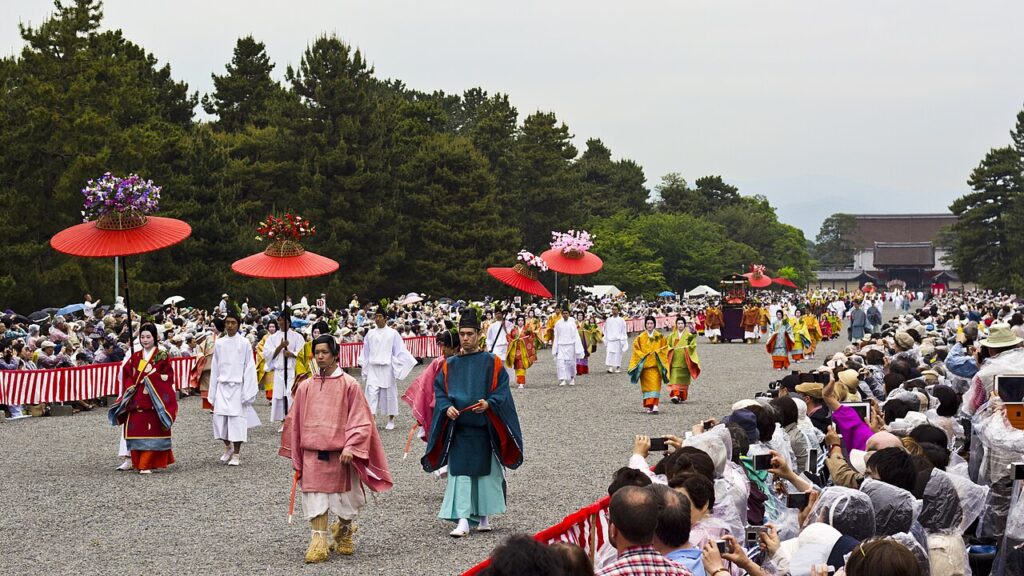
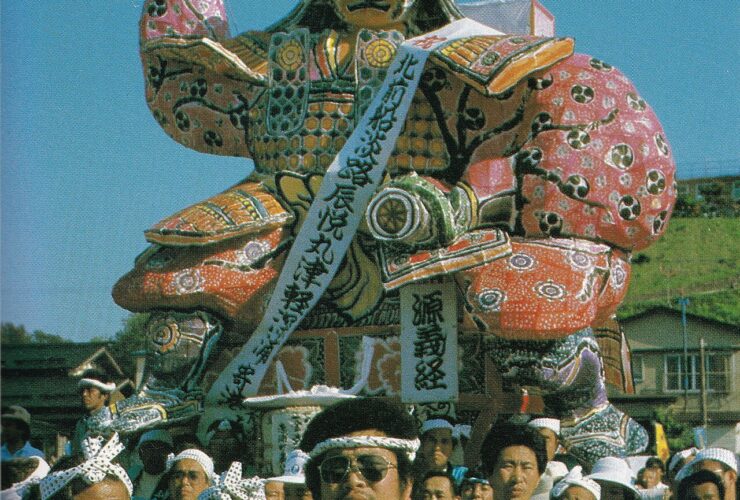
Arriving at the Nohejisogon Matsuri, visitors are immediately drawn through to an atmosphere that balances solemnity with celebration. Processions are central to the festival experience: elaborately decorated floats or portable shrines move through the streets accompanied by the rhythmic beat of taiko drums, the bright piercing notes of flutes, and the coordinated movements of performers in traditional dress. Similar to other festivals descending via the Gion lineage, the ceremonial elements carry genuine spiritual weight — these are not merely parades but acts of communal prayer and thanksgiving, asking for protection, good harvests, and the wellbeing of the local community. Watching the procession pass by, even without any prior knowledge of the tradition, conveys a palpable sense of occasion.
Beyond the main processions, the festival grounds buzz with the familiar and beloved energy of a Japanese summer fair. Food stalls line the festival area, offering regional specialities alongside classic matsuri staples such as grilled corn, yakitori, takoyaki, and shaved ice. Local craftspeople and vendors set up stalls selling handmade goods, seasonal treats, and festival souvenirs. Children play traditional carnival games, elderly residents gather in folding chairs to watch performances, and teenagers in yukata move through the crowds in cheerful groups. The entire atmosphere is inclusive and relaxed, making this an ideal festival for first-time visitors wondering how to visit Nohejisogon Matsuri as a tourist in 2026.
Highlights & Must-See Moments
- The Main Procession: The ceremonial parade — featuring performers in historical costume, musicians, and decorated portable shrines — is the dramatic centrepiece of the festival. Arriving early to secure a good vantage point along the route is highly recommended.
- Evening Lantern Atmosphere: As daylight fades, the festival area takes on a magical quality, with lanterns casting warm amber light across the stalls and streets. This is the most photogenic period of the entire event and a highlight for any visitor.
- Local Food Culture: The food stalls are a genuine window through to Aomori’s regional cuisine. Look out for dishes that reflect the prefecture’s celebrated seafood and agricultural produce — a delicious side-experience running alongside the main festivities.
- Traditional Performing Arts: Depending on the day’s programme, visitors may witness folk dances, musical performances, or ceremonial rituals echoing the Osaka Gion tradition that inspired the festival’s origins. Check the official website for scheduled performance times.
Admission & Budget
Admission: Check the official website for current pricing. Many community matsuri of this nature in Aomori Prefecture are free to enter the main festival area, though specific performances or reserved viewing areas may carry a fee — so it is worth confirming before you travel. For food and souvenirs, budget approximately ¥1,500 to ¥3,000 per person for a comfortable evening exploring the stalls, though costs will vary depending on appetite and shopping inclinations. Cash remains the most practical payment method at outdoor festival stalls throughout rural Japan, so ensure you have sufficient yen on hand before arriving. For broader budgeting advice across your Japan trip, visit our guide to Japan travel.
Practical Tips for Visitors
Late August festivals in Aomori call for light, breathable clothing — a yukata (casual summer kimono) is both culturally appropriate and a fun way to participate in the festive atmosphere, and rental services are sometimes available near larger festival sites. Comfortable footwear is essential, as festival-goers cover considerable ground on foot across the duration of the event. Arrive at least an hour before the main procession to claim a good spot along the route, as popular viewing positions fill quickly once the crowd builds. Bring cash, a portable fan or small towel for the evening humidity, and a reusable bag for any food or souvenir purchases. Photography is generally welcomed at public festival events, though it is courteous to avoid disrupting performers or religious ceremonies with intrusive camera positioning. Respectful, curious engagement is always appreciated by local participants.
How to Get There
The Nohejisogon Matsuri takes place in the Nohejisogon area of Aomori Prefecture, in the far north of Honshu, Japan’s main island. The nearest major regional hub is Aomori City, accessible via the Tohoku Shinkansen bullet train network departing Tokyo Station — a journey of approximately three hours to Shin-Aomori Station. Visitors travelling via Osaka should plan for a longer journey of approximately four to five hours by shinkansen, connecting through Tokyo or via the Hokuriku route. Once in the broader Aomori region, local rail and bus services connect to communities throughout the prefecture. Accessible via Aomori Station — check the official website and current local transport schedules for the most direct route to the Nohejisogon area, as well as any shuttle bus or parking details that may be provided for festival visitors. If you are considering a day trip to the festival, note that Nohejisogon Matsuri access via train requires planning, and an overnight stay in the Aomori region will allow you to experience the evening atmosphere at its best. Car rental is a practical option for exploring the area if local connections are limited. For more events across northern Japan, browse our collection of Japan events.
Frequently Asked Questions
When exactly does the Nohejisogon Matsuri 2026 take place?
The festival runs across four days, spanning 22 August to 25 August 2026. Check the official website at aomori-tourism.com for confirmed daily opening hours and programme schedules, as these may be updated closer to the event date.
Is the Nohejisogon Matsuri free to attend?
For those asking whether Nohejisogon Matsuri is free to attend — many community festivals in Aomori Prefecture do not charge general admission. However, specific performances or reserved areas may carry fees. Check the official website for current pricing details before your visit.
Can foreigners attend the Nohejisogon Matsuri?
Absolutely. The festival is a public community event and international visitors are welcome. While on-site signage may be primarily in Japanese, the visual and sensory experience of the processions, music, and food stalls is universally accessible. Learning a few basic Japanese phrases of greeting will always be appreciated by locals.
What are the best tips for first-time visitors to the Nohejisogon Matsuri?
Arrive early on the day of the main procession to secure a good viewing spot. Bring cash for food and souvenirs, wear comfortable shoes, and consider visiting on an evening during the festival’s run to enjoy the lantern atmosphere at its most atmospheric. Check the official website for the latest programme details and any transport advice specific to the 2026 event.
The Nohejisogon Matsuri 2026 is a genuinely rewarding addition to any Japan summer itinerary — a festival steeped in centuries of cultural tradition, set amid the beautiful landscapes of Aomori Prefecture, and delivered with the warmth and pride of a community that has kept its heritage joyfully alive. Plan ahead, travel north, and let this remarkable celebration of the Gion tradition’s long journey tell its story to you in person.

.png)