
What is the Nohejgion Festival?
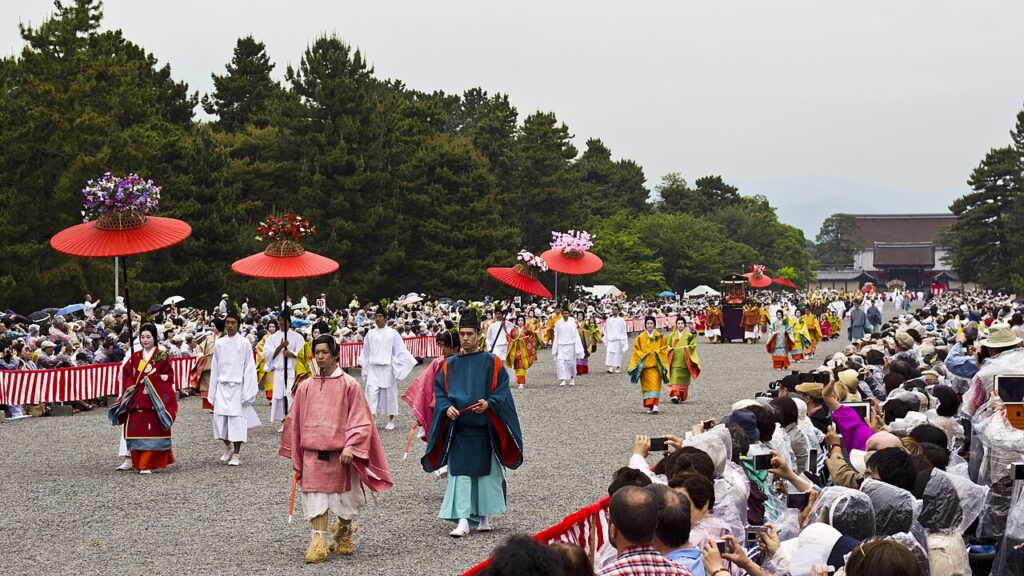
The Nohejgion Festival 2026 is one of northern Tohoku’s most culturally compelling summer celebrations, rooted in a tradition that travelled hundreds of kilometres along Japan’s historic coastal trade routes. According to local historical accounts, merchants and sailors aboard northern trading vessels carried the spirit of Kyoto’s celebrated Gion Festival with them as they voyaged up the Sea of Japan and through to the ports of Aomori Prefecture — and the vibrant tradition they deposited at Nohejminato has endured for generations. The result is a festival that blends the grandeur of aristocratic Kyoto ceremony with the rugged maritime character of northern Japan, creating something utterly distinct and deeply moving.
For international tourists, the Nohejgion Festival offers a rare opportunity to witness a regional celebration largely untouched by mass tourism. in contrast to the enormous crowds that gather at Kyoto’s original Gion Festival each July, Nohejmachi’s version retains an intimate, community-driven atmosphere that rewards curious travellers willing to venture through to Japan’s north. This is precisely the kind of authentic cultural encounter that travel writers and Japan veterans speak of fondly — a festival held by and for local people, through to which visitors are warmly welcomed. For more regional celebrations across the country, explore our guide to Japan festivals.
Best Time to Visit
The Nohejgion Festival 2026 runs across four days, spanning 22 to 25 August 2026, placing it squarely in the heart of Japan’s summer festival season. Late August in Aomori Prefecture brings warm, humid evenings that are perfect for outdoor processions and lantern-lit streets, with temperatures typically mellowing after sunset to create an atmospheric backdrop for the festivities. The festival takes place in Nohejmachi, a port town in Aomori Prefecture. Check the official website at aomori-tourism.com for confirmed opening hours, specific venue details, and the daily event schedule, as programme timing can vary across the four-day run.
What to Expect
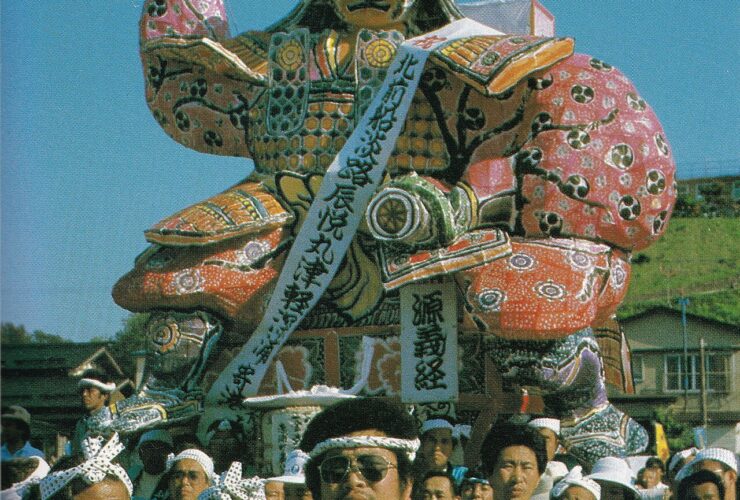
Visitors to the Nohejgion Festival can expect a celebration deeply inspired by the structure and pageantry of Kyoto’s Gion tradition, reinterpreted through the lens of a northern port community. Central to most Gion-tradition festivals are ornate floats — known in Japanese as yamaboko or regional equivalents — which are painstakingly constructed and decorated by local neighbourhoods, each competing to outshine the others in craftsmanship and grandeur. These floats are typically paraded through the town’s main streets to the accompaniment of traditional festival music, with participants dressed in colourful historical costumes that evoke the elegance of Heian-period court culture transported to a fishing port on the northern edge of Honshu.
Beyond the processions, the festival grounds come alive with the full sensory richness of a Japanese summer matsuri. Food stalls line the streets offering grilled seafood, yakitori, takoyaki, and cold drinks to keep spirits high during the warm evenings. Local artisans and craft sellers set up alongside, and shrine rituals conducted throughout the festival carry a solemnity that contrasts beautifully with the carnival atmosphere nearby. For first-time visitors, the combination of sacred ceremony and joyful communal celebration is one of the most memorable aspects of attending — a reminder that Japanese festivals are simultaneously acts of religious devotion and neighbourhood pride.
Highlights & Must-See Moments
- The Float Procession: The centrepiece of any Gion-tradition festival is the parade of elaborately decorated floats through the town streets. Arriving early to secure a good vantage point along the parade route is strongly recommended, as these processions draw enthusiastic local crowds.
- Evening Lantern Atmosphere: As night falls over Nohejmachi, the festival takes on an enchanting quality, with paper lanterns and festival lighting casting a warm glow over the streets. This is the ideal time for photography and for absorbing the full atmosphere of the celebration.
- Shrine Rituals and Ceremonies: Look out for formal shrine-based ceremonies conducted during the festival period, which reflect the original religious purpose of the Gion tradition — purifying the community and offering prayers of protection. These moments offer genuine cultural depth beyond the spectacle.
- Local Seafood and Street Food: Nohejmachi’s identity as a historic port town means the local food stalls are probable to feature exceptional seafood alongside classic festival snacks. Sampling fresh Aomori produce at a summer matsuri is an experience not to be missed.
Admission & Budget
Admission: Check the official website for current pricing. Many regional matsuri of this type in Japan are free to attend as street-level spectators, though some ticketed grandstand or seated viewing areas may apply. Budget additionally for food and drinks at festival stalls, which typically run amid a range of price points — casual snacks and street food can cost in any location amid ¥300 and ¥800 per item, while a full evening of eating and browsing craft stalls might come to ¥2,000–¥4,000 per person. Souvenirs and festival goods vary widely in price; setting aside a small cash reserve is advisable, as many stalls at regional Japanese festivals operate on a cash-only basis.
Practical Tips for Visitors
Late August in northern Honshu is warm and humid, so light, breathable clothing is essential — a cotton yukata (summer kimono) is a wonderfully immersive choice if you have access to one, and some festival towns offer rental services nearby. Comfortable walking shoes are a must, as festival routes involve extended periods on your feet along uneven streets. Arrive at least an hour ahead of any main procession to claim a good viewing spot, and carry cash in small denominations for food stalls and vendors. English-language signage at regional festivals in Aomori can be limited, so downloading an offline translation app before arriving is highly practical. Respect cordoned areas during shrine ceremonies, keep noise levels appropriate during ritual moments, and always ask before photographing participants at close range. Check the official website for any specific rules or visitor guidelines issued ahead of the 2026 event.
How to Get There
Nohejmachi is located in Aomori Prefecture, at the northern tip of Japan’s main island of Honshu. The nearest major transportation hub is Aomori City, which is accessible via the Tohoku Shinkansen bullet train departing Tokyo Station — the journey takes roughly three hours to reach the Shin-Aomori area. Aomori City is also reachable via Hakodate in Hokkaido using the Hokkaido Shinkansen. Departing Aomori City, Nohejmachi can be reached by local train or by car; the town sits along the coast of Mutsu Bay. If you are travelling by car, rental services are available in Aomori City and offer the most flexible access to the festival area, particularly useful for returning late after evening events. Accessible via Aomori Station — check the official website and current rail timetables for local services and any shuttle bus arrangements during the festival period. Visitors arriving via Hokkaido events corridor should factor in additional travel time across the strait. For broader Japan travel planning, consulting a rail pass guide before departure is highly recommended.
Frequently Asked Questions
When exactly does the Nohejgion Festival 2026 take place?
The Nohejgion Festival 2026 runs over four days, spanning 22 to 25 August 2026. Check the official website at aomori-tourism.com for confirmed daily schedules and event timings across the festival period.
Is the Nohejgion Festival free to attend?
Many Gion-tradition regional festivals in Japan allow free street-level viewing, though some structured viewing areas may carry an admission charge. Check the official website for current pricing and ticketing details ahead of your visit.
Can foreigners attend the Nohejgion Festival?
Absolutely — the festival is a public community celebration and international visitors are welcome. English-language support on-site may be limited at this regional event, so it is advisable to prepare a translation app and review any visitor information published on the official tourism website ahead of travel.
What is the best way to reach Nohejmachi for the festival?
The most practical approach for international tourists is to travel to Aomori City via the Tohoku Shinkansen departing Tokyo, then continue by local train or rental car to Nohejmachi. Check the official website and local rail services for the most current transport options and any festival-period shuttle arrangements.
The Nohejgion Festival is exactly the kind of experience that makes exploring Japan’s regional heartland so rewarding — a living piece of cultural history, carried north by sea centuries ago and celebrated with joyful pride every August in Nohejmachi. Plan your trip early, embrace the summer atmosphere, and let this remarkable northern matsuri surprise you.

.png)