What is the Sendai Tanabata Festival?
The Sendai Tanabata Festival 2026 is one of the most spectacular and beloved celebrations in all of Japan — a dazzling tribute to an ancient star-crossed love story that transforms the streets of Sendai into a breathtaking corridor of colour, artistry, and cultural wonder. Known in Japanese as 七夕祭り (Tanabata Matsuri), this festival traces its roots back over 400 years to the era of the great feudal lord Date Masamune, who is said to have actively encouraged its celebration among the people of his domain. Today, Sendai proudly claims the title of Japan’s most famous Tanabata celebration, drawing over two million visitors each year to witness its extraordinary decorations and festive atmosphere.
The legend at the heart of Tanabata is one of Japan’s most cherished: two celestial lovers, the weaver princess Orihime (represented by the star Vega) and the cowherd Hikoboshi (represented by Altair), are separated by the Milky Way and permitted to meet only once a year — on the seventh day of the seventh month. In the traditional lunar calendar, this falls in what is now August on the modern solar calendar, which is precisely why the Sendai Tanabata Festival takes place in early August rather than on July 7th as many other Tanabata events do. Sendai’s decision to follow the old lunar calendar timing has become a defining feature that sets it apart from celebrations elsewhere in Japan.
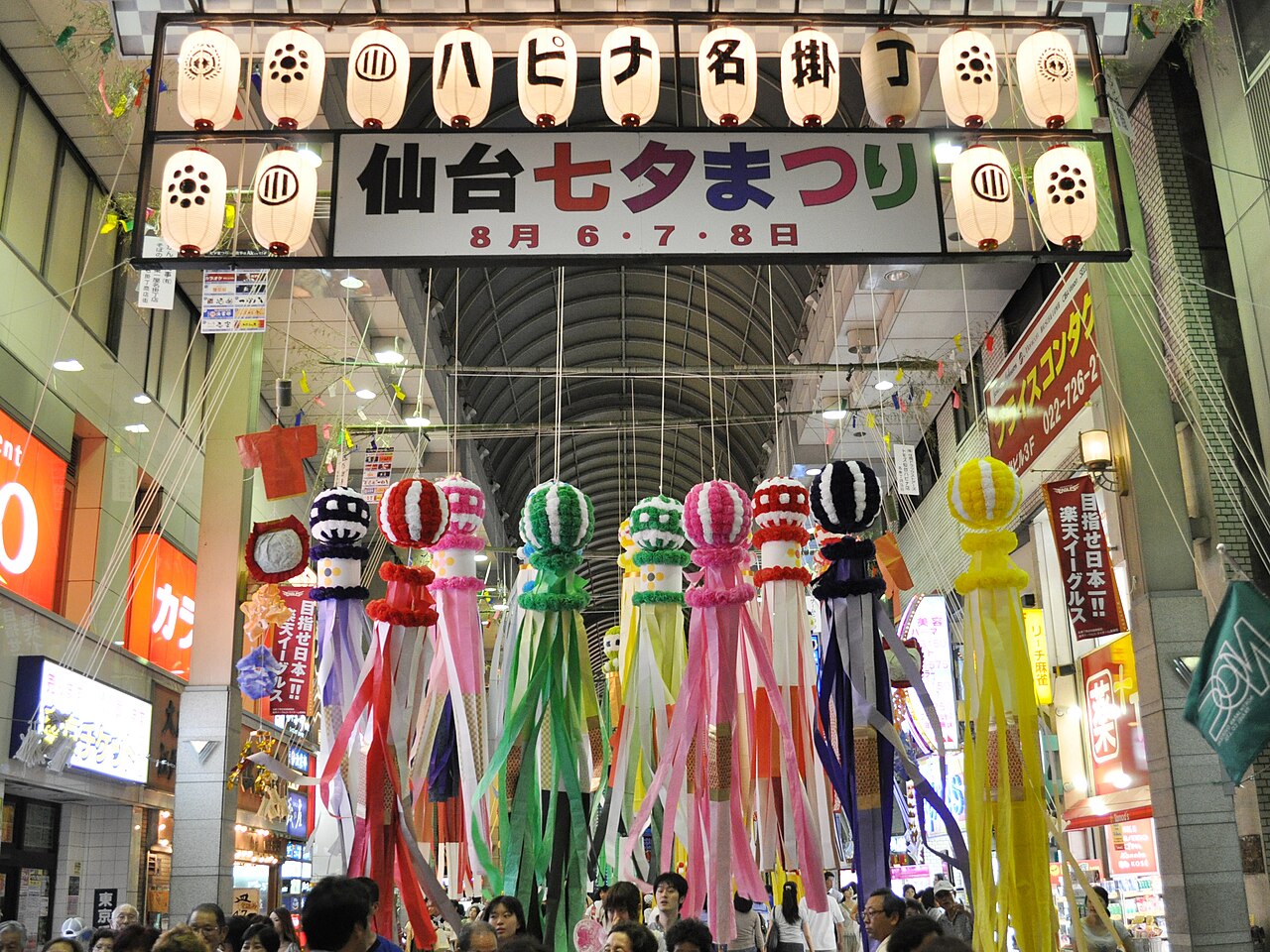
What truly elevates the Sendai Tanabata Festival above its counterparts across the country is the sheer magnificence of its handcrafted decorations. Enormous kazari (ornamental streamers) made from washi paper, bamboo, and intricate origami hang from the covered shopping arcades of central Sendai, some stretching several metres in length and weighing dozens of kilograms. Local businesses, community groups, schools, and artisans spend months preparing their unique contributions, making every single display a genuine labour of love. For international tourists, the festival offers not just a visual feast but a deeply authentic window into living Japanese tradition — a rare and precious thing in the modern world. You might also enjoy our guide to Japanese summer festivals to plan a broader itinerary around this incredible time of year.
When and Where to Go
If you’re wondering when is the Sendai Tanabata Festival 2026 dates, mark your calendar clearly: the main festival runs from Friday, August 7 to Sunday, August 9, 2026. These three days represent the official core of the celebration, when the arcades are in full festive glory and the crowds are at their most electric. However, savvy visitors should note that decorations typically begin appearing in the shopping arcades from around August 6th, and the festivities are often preceded by a spectacular fireworks display on the evening of August 5th — the Sendai Tanabata Fireworks Festival — which is considered one of the finest fireworks shows in the Tohoku region and a stunning prelude to the main event.
The festival is centred along the famous covered shopping arcades of central Sendai, particularly the Ichibancho Shopping Arcade and the Clis Road arcade, which together create a long, shimmering tunnel of hanging decorations through the heart of the city. The arcades are located just a short walk from Sendai Station, making access extremely straightforward. The decorations line several hundred metres of covered walkway, and the entire festival area is pedestrian-friendly and free to enter — no tickets required. Most shops and food stalls within the arcades open from around 9:00am and the atmosphere continues well into the evening hours, with the illuminated decorations looking especially magical after dark.
What to Expect
Arriving at the Sendai Tanabata Festival 2026 for the first time is genuinely overwhelming in the best possible way. As you step into the shopping arcades, you are immediately enveloped in a world of extraordinary beauty: thousands of fukinagashi (long, flowing streamers) in every shade of red, gold, silver, purple, and indigo cascade from the rafters, rustling gently in the breeze and catching the light in constantly shifting patterns. The scale is humbling — these are not modest paper decorations but towering, architectural confections that can reach six or seven metres from top to tail. Each one is unique, often incorporating themes from local history, popular culture, nature, or pure artistic imagination. The air is rich with the scent of grilled food from nearby stalls, sweet festival snacks, and the faint papery fragrance of fresh washi. Traditional music drifts through the crowds, and the sound of children’s laughter mingles with the excited chatter of visitors from across Japan and around the world.
Beyond the visual spectacle, the festival is a deeply participatory experience. You’ll see locals of all ages dressed in gorgeous yukata (summer kimono), making it a wonderful opportunity to observe — or join in — authentic Japanese summer fashion culture. Street food vendors line the approaches to the arcades offering classic matsuri (festival) fare: sizzling yakitori (grilled chicken skewers), takoyaki (octopus balls), kakigori (shaved ice with syrup), and sweet taiyaki (fish-shaped pastry filled with red bean paste or custard). Sendai is also famous regionally for its gyutan (grilled beef tongue), which is available at numerous restaurants throughout the city centre — a uniquely local dish you absolutely should not miss while you’re here. For the Sendai Tanabata Festival bamboo decorations photography enthusiasts, the arcades provide almost impossibly beautiful natural framing for shots, especially in the softer light of late afternoon and early evening.
Highlights & Must-See Moments
- The Grand Decoration Competition: Each year, businesses and community groups compete to create the most stunning kazari displays. Look out for the official competition awards posted near the most spectacular entries — these are almost always crowd favourites and represent the absolute pinnacle of traditional craftsmanship.
- The Tanabata Fireworks Festival (August 5th): Held at the Nishikoen area near the Hirose River, this spectacular fireworks launch is the unofficial opening night of the festival season. Arrive early to secure a good viewing spot — locals start staking out positions hours in advance.
- Wishing on Tanzaku: Participating in the age-old tradition of writing your wish on a colourful strip of paper (tanzaku) and hanging it on a bamboo branch is a deeply moving experience. Look for spots around the arcades and in the dedicated festival areas where you can write and display your own wish.
- Evening Illuminations: After sunset, the decorated arcades take on an entirely different, more intimate character as the paper lanterns and streamers glow softly in the warm evening air. This is the best time to visit Sendai Tanabata Festival 2026 for photographers seeking something truly otherworldly.
- Zuihoden Mausoleum Visit: While not strictly part of the festival, combining a morning visit to Date Masamune’s ornate mausoleum with an afternoon at the festival puts the entire celebration in magnificent historical context and makes for an extraordinarily rich day of cultural immersion.
Practical Tips for Visitors
Understanding the Sendai Tanabata Festival crowds best time to visit is key to getting the most from your trip. The festival is enormously popular, and the arcades can become extremely packed — especially on the afternoon of August 8th (Saturday), which is traditionally the busiest single day. If you want more breathing room to appreciate the decorations and take unhurried photographs, aim to arrive early on August 7th (Friday) or in the morning hours on any of the three days, ideally before 11:00am. Crowds thin noticeably after the main evening rush, so returning around 8:00pm on any evening is also an excellent strategy for a more contemplative experience.
Dress practically for summer in the Tohoku region: August in Sendai is warm and humid (typically 27–31°C during the day), so light, breathable clothing is essential. Many visitors choose to wear a yukata for the full cultural experience — rental services are available in the city centre for both men and women, and staff are usually happy to help tourists dress correctly. Comfortable walking shoes are a must, as you’ll be on your feet for hours. Bring a small portable fan, sunscreen, and a reusable water bottle. Cash is still widely used at festival stalls, so make sure you have Japanese yen on hand. If you’re travelling as part of a larger group, agree on a clear meeting point in advance as mobile signals can become congested in the densest areas of the arcades. You might also enjoy our guide to Tohoku travel for more ideas on exploring this remarkable region.
How to Get There
Getting to the Sendai Tanabata Festival from Tokyo is straightforward and highly recommended as a day trip or overnight excursion. The fastest and most convenient option is the JR Tohoku Shinkansen (bullet train) from Tokyo Station directly to Sendai Station, which takes approximately 1 hour 40 minutes on the fastest Hayabusa services. The standard unreserved fare is around ¥11,000–¥13,000 one way, though Japan Rail Pass holders travel free of charge, making this an ideal festival excursion for pass holders. Trains run frequently throughout the day, and Sendai Station is a major Shinkansen hub, so connections are rarely difficult.
Once you arrive at Sendai Station, the festival arcades are literally on your doorstep. Exit through the West Exit (Nishiguchi) and walk straight ahead along Aoba-dori for approximately five minutes until you reach the main Ichibancho arcade entrance — you will see (and hear) the festival immediately. Alternatively, Loople Sendai, the city’s tourist sightseeing bus, operates throughout the festival period and connects the station with key nearby attractions if you plan to explore further. Taxis are plentiful from the station forecourt. Visitors travelling from within the Tohoku region can access Sendai via local JR lines, highway buses, or domestic flights to Sendai Airport (connected to the city centre by the Sendai Airport Access Line in approximately 25 minutes).
Nearby Attractions
Matsushima Bay — Located just 40 minutes from Sendai by train (JR Senseki Line from Sendai Station), Matsushima is one of Japan’s traditionally celebrated “three views,” featuring a stunning seascape of over 260 pine-covered islands. A morning cruise around the islands followed by an afternoon at the festival makes for one of the finest full days you could spend in Tohoku. The area is also famous for its fresh oysters, best enjoyed at the waterfront seafood stalls.
Zuihoden Mausoleum — The ornate resting place of Date Masamune, Sendai’s legendary one-eyed feudal lord and the man credited with elevating Tanabata into the grand civic celebration it remains today. The mausoleum complex, set on a forested hillside about 15 minutes by taxi from the station, features breathtakingly intricate Momoyama-style architecture and offers deeply moving historical context for the entire Tanabata tradition.
Sendai Mediatheque — For a striking contrast of old and new, this award-winning modern building by architect Toyo Ito is located just minutes from the Tanabata arcades and hosts regular exhibitions, cultural events, and performances. During the festival period it often features special Tanabata-themed displays and is worth a brief visit to appreciate its iconic glass-and-steel interior. You might also enjoy our guide to Sendai attractions for a deeper dive into everything the city has to offer beyond the festival.
Frequently Asked Questions
Q: How long does the Sendai Tanabata Festival last, and is it worth attending all three days?
A: The main festival officially runs for three days — August 7, 8, and 9, 2026. Most visitors find that one full day is enough to see all the major decorations and enjoy the atmosphere thoroughly, but two days allows you to combine the festival with nearby attractions like Matsushima and visit the arcades at different times of day to experience both the bright afternoon energy and the more atmospheric evening illuminations. If you’re a serious photographer or a deep enthusiast of Japanese cultural festivals, staying the full three days is absolutely worthwhile, especially if you also plan to attend the fireworks on August 5th.
Q: Is the Sendai Tanabata Festival free to attend?
A: Yes — entry to the festival arcades and all the main Tanabata decoration areas is completely free. There are no tickets required to walk through the shopping arcades and admire the decorations. You will of course spend money on food, drinks, and any souvenirs you choose to buy, but the festival itself is an open, accessible public celebration. The only paid element in the broader festival season is the Tanabata Fireworks display on August 5th, for which some premium viewing areas may charge a fee, though general public viewing spots are free.
Q: Where is the best place to stay during the Sendai Tanabata Festival in August 2026?
A: For the most convenient experience, staying within walking distance of Sendai Station is ideal. The area around the station has an excellent range of accommodation options from budget business hotels (such as APA Hotel and Toyoko Inn) to mid-range options (Richmond Hotel, Dormy Inn) and upscale choices (Westin Sendai, Sendai Kokusai Hotel). Book your accommodation as early as possible — ideally six months or more in advance — as the festival is enormously popular and hotels fill up very quickly for the August 7–9 dates. Prices are significantly higher during the festival period, so locking in your reservation early also helps with budget management.
Q: How does the Sendai Tanabata Festival compare to other Tanabata festivals in Japan?
A: While Tanabata festivals are held across Japan — with notable celebrations in Hiratsuka (Kanagawa) and Asagaya (Tokyo) — the Sendai Tanabata Festival is widely considered the grandest and most visually impressive of all. The key differences are scale (Sendai’s decorations are significantly larger and more elaborate), timing (Sendai follows the traditional lunar calendar placing it in August rather than July), and historical depth (the festival has direct ties to the Date clan dating back over 400 years). For international tourists seeking the definitive Tanabata experience, Sendai is unquestionably the destination of choice. The Hiratsuka festival (held in July) is more accessible from Tokyo but cannot match Sendai for sheer spectacle.
Q: What are the best foods to try at the Sendai Tanabata Festival?
A: The festival stalls offer all the classic Japanese matsuri foods — yakitori, takoyaki, yakisoba, kakigori, and taiyaki — but Sendai also has its own remarkable local food culture to explore. The city’s most famous speciality is gyutan (grilled beef tongue), typically served with barley rice and oxtail soup at dedicated restaurants throughout the centre. Zunda mochi (rice cakes coated in sweet