What is Omizutori?
Every year for over 1,270 years without interruption, one of Japan’s most extraordinary religious rituals has unfolded on the balcony of Todaiji Temple’s Nigatsudo Hall in Nara. The Omizutori Nara Buddhist festival — formally known as Shunie — is a two-week ceremony of repentance, purification, and prayer performed by ascetic Buddhist monks on behalf of all humanity. It is one of the oldest continuously performed religious rites in Japanese history, first conducted in 752 CE, and its unbroken lineage makes it one of the most profoundly significant cultural events in all of Asia.
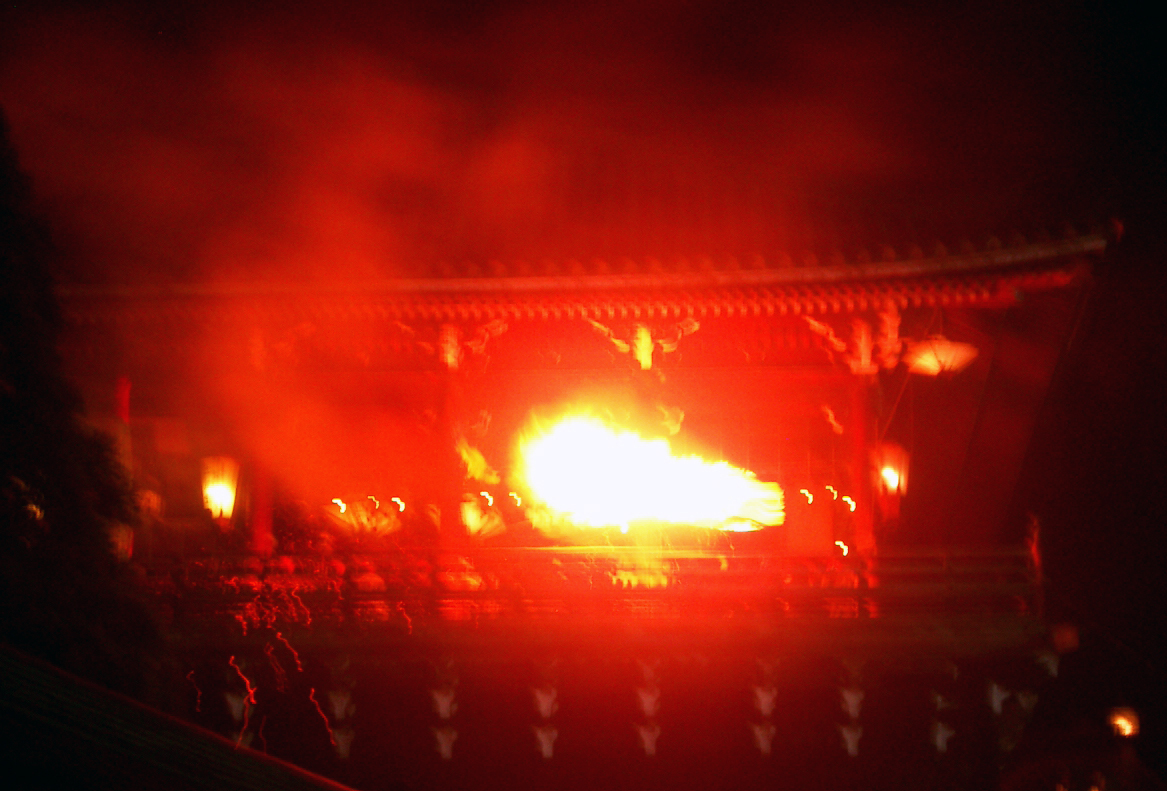
At the heart of the festival is the spectacular nightly Todaiji Temple torch ceremony Japan — known locally as the otaimatsu — in which enormous pine torches are carried along the wooden balcony of Nigatsudo Hall by monks, showering burning embers down onto the crowds gathered below in the darkness. Catching falling sparks is believed to bring good health and ward off evil spirits, which is why thousands of visitors press eagerly forward each evening, faces upturned toward the fiery cascade. The name “Omizutori” itself translates roughly as “Water Drawing,” referring to the culminating ritual on the night of 12th–13th March, when sacred water is drawn from an ancient well in a deeply moving pre-dawn ceremony.
For international tourists, the Omizutori Nara Buddhist festival offers something genuinely rare: an unmediated encounter with living Japanese religious tradition that has nothing to do with modern tourism and everything to do with ancient spiritual practice. Unlike many celebrated festivals, this is not a performance staged for visitors — monks fast, undergo sleep deprivation, and submit to rigorous physical discipline throughout the ceremony period. That authenticity, combined with the raw, cinematic drama of massive torches blazing against a pitch-black winter sky, makes Omizutori one of the most unforgettable experiences available to any traveller in Japan.
When and Where to Go
The 2027 Omizutori festival runs from Monday 1st March to Sunday 14th March 2027. The ceremonies take place at Nigatsudo Hall (二月堂), part of the Todaiji Temple complex, located in Nara Park.
Address: Todaiji Temple, 406-1 Zoshi-cho, Nara, Nara Prefecture 630-8211
The headline Todaiji Temple torch ceremony Japan schedule for the otaimatsu torch lighting is as follows:
- 1st–11th March: Torches lit nightly from approximately 19:00 (7:00 PM). The ceremony typically lasts 10–15 minutes per torch run.
- 12th March (Grand Ceremony Night): The most spectacular night — 11 large torches are carried along the balcony from around 19:30. This is the peak night and draws the largest crowds. The sacred water drawing (omizutori) takes place in the early hours of 13th March, around 01:30 AM.
- 13th–14th March: Final torch ceremonies; the festival concludes quietly.
Admission to the Nara Park area and the approach to Nigatsudo is free. Some closer viewing areas near the hall may be controlled by staff during busy periods. Always check the official Japan Guide Omizutori page closer to your visit date for any updates to timings.
What to Expect
Arriving at Nara Park in early March, you will immediately notice that winter still has a firm grip on the ancient capital. The air is cold and crisp — temperatures routinely drop to 2–5°C after dark — and the bare branches of the trees surrounding Todaiji’s great compound lend the whole scene a stark, almost monochromatic beauty. As you walk the lantern-lined stone path up toward Nigatsudo Hall, the atmosphere shifts: crowds thicken, hushed voices replace the ordinary chatter of daytime tourism, and the smell of pine wood smoke begins to drift down the hillside. Somewhere above, monks are already deep in chanting and ritual preparation. The tension is palpable. Then, without warning, a great flaming torch — sometimes three metres long and weighing up to 80 kilograms — emerges from the interior of the hall and sweeps along the balcony railing in an arc of brilliant orange fire. Sparks and burning embers erupt into the night air and drift down onto the crowd akin to a warm, fiery snow. The collective gasp from hundreds of spectators is extraordinary.
On the climactic night of 12th March, the scene intensifies dramatically. Eleven large torches are brought out in succession, transforming Nigatsudo’s wooden balcony into a river of living flame visible from far across Nara Park. The roar of burning wood, the smell of pine resin and woodsmoke, the cold night air on your face contrasting with the heat of falling sparks — it is a full-body sensory experience unlike anything else in Japan’s festival calendar. Those who stay for the omizutori water-drawing ceremony in the small hours of 13th March will be rewarded with one of Japanese Buddhism’s most intimate and rarely witnessed rituals: monks descending to the ancient well by torchlight to draw the sacred water that will be offered at the altar, accompanied by the sound of ancient chanting echoing off stone walls in the deep quiet of a winter night.
Highlights & Must-See Moments
- The Otaimatsu Torch Runs (Nightly, 1st–14th March): Standing beneath Nigatsudo’s famous wooden balcony as enormous blazing pine torches sweep overhead is the defining experience of Omizutori. Position yourself close but allow room to step back if embers fall thickly.
- The Grand Ceremony of 12th March: All eleven full-size torches appear together in a prolonged display that represents the pinnacle of the entire festival. If you can only attend one night, make it this one.
- The Sacred Water Drawing (Omizutori), Early Hours of 13th March: Around 01:30 AM, monks descend to the Wakasai Well to draw the sacred water. This deeply moving, largely unheralded ceremony is the spiritual heart of the entire festival and rewards night owls willing to brave the cold.
- The Dawn Approach Through Nara Park: Walking the lantern-lit stone paths through Nara’s deer park toward Nigatsudo in the dark hours before dawn is an experience of extraordinary stillness and atmosphere — don’t rush it.
- Catching Falling Sparks: Tradition holds that embers from the otaimatsu torches bring good health and drive away evil. Join the locals in holding out your hands or gently brushing sparks from your coat — it’s one of Japan’s most participatory good-luck rituals.
Practical Tips for Visitors
Dress for winter: Early March evenings in Nara are genuinely cold, with temperatures typically between 2°C and 8°C after dark. Wear thermal base layers, a heavy coat, a hat, and gloves. You will be standing still outdoors for up to an hour, so dress warmer than you think necessary. Wool socks and waterproof footwear are a sound investment — the stone paths can be damp and cold underfoot.
Protect your clothing: Burning embers genuinely do fall into the crowd, particularly on 12th March. Wear dark, older clothing or bring a windproof outer layer. Embers are small and usually extinguish quickly on contact, but they can leave marks on delicate fabrics. Serious photographers may wish to cover their camera bags.
Arrive early, especially on 12th March: On the festival’s grand night, crowds begin gathering from 17:00 or earlier. The best viewing positions along the roped areas beneath the balcony fill up fast. On quieter evenings (1st–5th March especially), arriving by 18:30 is usually sufficient. Weekends attract larger crowds than weekdays.
Photography: The torches burn brilliantly but the surrounding environment is very dark — this is a genuinely challenging low-light photography situation. A camera with strong high-ISO performance, a fast lens (f/1.8 or f/2.8), and a steady hand or monopod will serve you far better than a smartphone in these conditions. The best dramatic shots are taken from the lower slope looking up at the balcony, with torchlight silhouetting the monks against the dark sky. Tripods may not be permitted in all areas; check on arrival.
Food and drink: There are no food stalls or vendors within the immediate ceremony area. Eat before you arrive. The shopping street of Higashimuki and the area around Kintetsu Nara Station have numerous restaurants open in the early evening — try Nara’s local specialty kakinoha-zushi (persimmon-leaf-wrapped pressed sushi) or a warming bowl of miwa somen noodles before heading to the ceremony. Bring a thermos of hot tea or coffee for the wait.
Quiet nights are underrated: The less-celebrated torch ceremonies of early and mid March (particularly 2nd–7th March) offer a more intimate, less crowded experience. You’ll be closer to the action, the atmosphere is still magical, and you’ll have an easier time appreciating the ritual without being jostled.
How to Get There
Nara is extremely well-connected from both Kyoto and Osaka, making it an easy day trip or evening excursion — though staying overnight is highly recommended to fully experience the evening ceremonies without rushing.
From Kyoto:
- Take the JR Nara Line from Kyoto Station to Nara Station (approximately 45 minutes on a rapid service; covered by JR Pass).
- Alternatively, the Kintetsu Kyoto Line runs from Kyoto Station to Kintetsu Nara Station (approximately 35–45 minutes; slightly more convenient for Todaiji).
From Osaka:
- Take the Kintetsu Osaka Line from Kintetsu Namba Station or Uehonmachi Station to Kintetsu Nara Station (approximately 35–40 minutes on a Limited Express).
- JR services also connect Osaka (Tennoji Station) to Nara via the Yamatoji Line (approximately 35 minutes).
Walking to Nigatsudo from Kintetsu Nara Station: Exit the station and head east along Noborioji Street toward Nara Park. The walk to Nigatsudo Hall takes approximately 25–30 minutes through the park, passing the Great Todaiji Buddha Hall (Daibutsuden) along the way. At night, the route is partially lit and well-signed. Deer roam freely in the park at all hours — they are generally docile but may approach if they smell food.
By bus: City Loop buses run from both Nara Station and Kintetsu Nara Station to the Todaiji Daibutsuden stop (Nara Kotsu Bus). From this stop, the walk to Nigatsudo is approximately 10 minutes uphill through the forest.
Nearby Attractions
Todaiji Great Buddha Hall (Daibutsuden): The world’s largest wooden building houses Japan’s largest bronze Buddha statue — a 15-metre-tall Vairocana Buddha of breathtaking scale. The hall is open daily (hours vary seasonally; 8:00–17:00 in March), and a visit in the afternoon before the evening torch ceremony makes for a perfectly structured Nara day. Admission is ¥600 for adults.
Kasuga Taisha Grand Shrine: A 15-minute walk south of Nigatsudo through Nara Park, this UNESCO World Heritage Site is one of Japan’s most important Shinto shrines, famous for its thousands of stone and bronze lanterns that line the approaches. The atmospheric forested setting feels almost supernaturally beautiful in early spring, and the contrast between Buddhist Omizutori at Todaiji and Shinto traditions at Kasuga Taisha offers a fascinating glimpse of Japan’s layered religious culture.
Naramachi Historic District: South of Sarusawa Pond, this beautifully preserved merchant quarter of traditional machiya townhouses hosts a constellation of artisan workshops, craft shops, cafes, and small restaurants. It’s an ideal place to spend an afternoon before the evening torch ceremony, exploring Nara’s quieter, more local side. Look for shops selling akahada-yaki pottery and traditional Nara ink brushes as distinctive souvenirs. For those planning broader Japan travel, Nara pairs beautifully with Kyoto as a two-city cultural itinerary.
Frequently Asked Questions
Q: Is Omizutori free to attend?
A: Yes — viewing the nightly otaimatsu torch ceremony from the grounds below Nigatsudo Hall is completely free of charge. There is no ticket required and no admission fee to enter Nara Park or to approach Nigatsudo for the evening ceremony. Daytime entry to the interior of certain Todaiji buildings (such as the Great Buddha Hall) does carry an admission fee (around ¥600 for adults), but the torch ceremony itself is open to all.
Q: Which night is the best to see the Todaiji Temple torch ceremony Japan?
A: Without question, the night of 12th March is the most spectacular — all eleven full-sized torches are used, the ceremony is longer, and the atmosphere is electric. However, it is also by far the most crowded night. If you prefer a more intimate experience with better viewing positions and smaller crowds, nights between 2nd and 7th March offer the same essential ceremony with fewer visitors. The sacred water-drawing ritual in the early hours of 13th March is also deeply special for those willing to stay very late.
Q: Can I take photographs during the ceremony?
A: Handheld photography and smartphone photography are generally permitted from the public viewing areas. Tripods may be restricted in crowded areas — check with staff on arrival. The key challenge is the extreme darkness of the scene; a camera with strong high-ISO capability and a fast lens will produce dramatically better results than a smartphone. Flash photography is considered disrespectful and is strongly discouraged in the immediate ceremony area.
Q: Is the Water Drawing Festival Japan suitable for children?
A: Yes, though with some caveats. The spectacle of the flaming torches is genuinely thrilling for children, and the open-air setting means there’s no feeling of confinement. However, the cold temperatures, the late evening timing (ceremony starts around 19:00–19:30), and the large crowds on peak nights mean it may be challenging for very young children. For families, attending on a quieter weeknight in early March — when crowds are thinner and viewing is easier — is strongly recommended. Dress children in extra warm layers.
Q: Should I visit Nara specifically for Omizutori, or is it worth combining with other nearby destinations?
A: Absolutely combine it! Nara is just 35–45 minutes from both Kyoto and Osaka by express train, making it perfect as part of a broader Kansai itinerary. Many visitors pair an afternoon in Nara Park (visiting Todaiji’s Great Buddha, Kasuga Taisha, and Naramachi) with the evening torch ceremony before returning to their base city. However, if you plan to attend the grand ceremony of 12th March or the water-drawing ritual in the small hours, staying overnight in Nara or Kyoto is far more comfortable than navigating late trains. For more inspiration on Japan festivals throughout the Kansai region, there’s an extraordinary calendar of events across the year to explore.
Few experiences in Japan — or indeed anywhere in the world — rival the combination of historical depth, spiritual authenticity, and sheer visual drama that the Todaiji Temple torch ceremony Japan delivers during the 2027 Omizutori festival. Whether you are a first-time visitor to Japan or a seasoned traveller returning for something deeper and more genuinely extraordinary, standing beneath Nigatsudo Hall’s ancient wooden balcony as burning torches blaze against the winter night sky is the kind of moment that redefines what travel is for. Plan your visit, dress warmly, arrive early, and let 1,270 years of unbroken tradition wash over you. Nara in March is waiting — and it is unforgettable. For more remarkable Japan events worth building a trip around, start exploring now.